
Your Summer Vacation Plans Are Doomed Without These Tips…


Summer is the season of sun, fun, and travel. But let’s face it: Navigating the hustle and bustle of summer holiday travel can be daunting.
Whether you’re a seasoned traveler or a newbie, the key to a successful trip lies in meticulous planning and smart strategies.
This guide will cover everything you need to know to make your summer travel experience smooth and enjoyable. From packing tips to airport hacks, we’ve got you covered.
Disclosure: This article may contain affiliate links, meaning when you make a purchase, I earn a small commission. Affiliate links cost you nothing to use, and help keep my content free. It’s a win-win for us both. For more info, see the Disclosure Policy.
The Importance of Planning Ahead
Researching Destinations
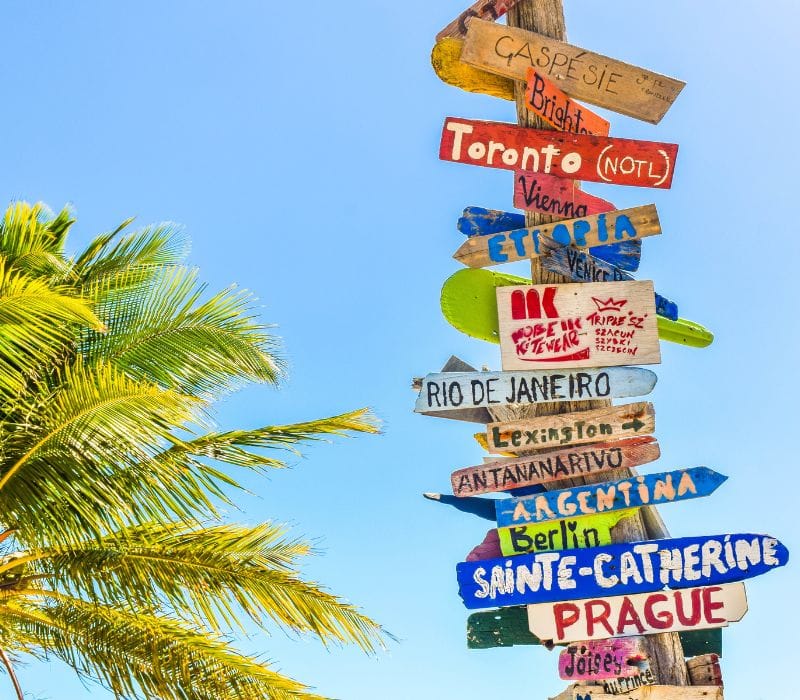
Before you even think about packing your bags, researching your destination is the first step in planning a successful summer holiday.
This means understanding the local culture, climate, and attractions.
Websites like TripAdvisor and Lonely Planet offer guides and reviews from other travelers.
Why is this important? Knowing what to expect can help you pack the right things, plan your activities, and avoid surprises.
For example, if you’re going to a tropical place, you’ll want to pack light, breathable clothes and lots of sunscreens.
Comfortable walking shoes and a good camera are must-haves if you’re visiting a city with museums and historical sites.
Booking Flights Early

One of the golden rules of travel is to book your flights as early as possible. This gives you a better chance of getting the best seats and can save you a lot of money.
According to a study by CheapAir, the best time to book domestic flights is between 1 to 3 months in advance, while international flights should be booked 2 to 8 months ahead.
Creating a Travel Itinerary

An itinerary is your travel plan. It helps you organize your days, so you make the most of your time at your destination.
List the must-see attractions and activities, then fill in the gaps with other options.
Don’t forget to include some downtime to relax and explore spontaneously. Tools like Google Maps and TripIt can help you plan and visualize your itinerary.
Packing Like a Pro
Essential Items

Packing can be daunting, but with a little planning, you can ensure you have everything you need without overpacking.
🧳 Start with the essentials: passport, travel documents, medications, and a basic first-aid kit.
Then, consider the specific needs of your destination.
For example, if you’re heading to a beach destination, don’t forget your swimsuit, sunscreen, and a good book.
Packing Light

The key to packing light is to choose versatile clothing that can be mixed and matched.
Stick to a color palette that allows you to create multiple outfits with a few key pieces.
Roll your clothes instead of folding them to save space and reduce wrinkles.
And remember, most destinations have laundry facilities, so you don’t need to pack an outfit for every day.
Using Packing Cubes
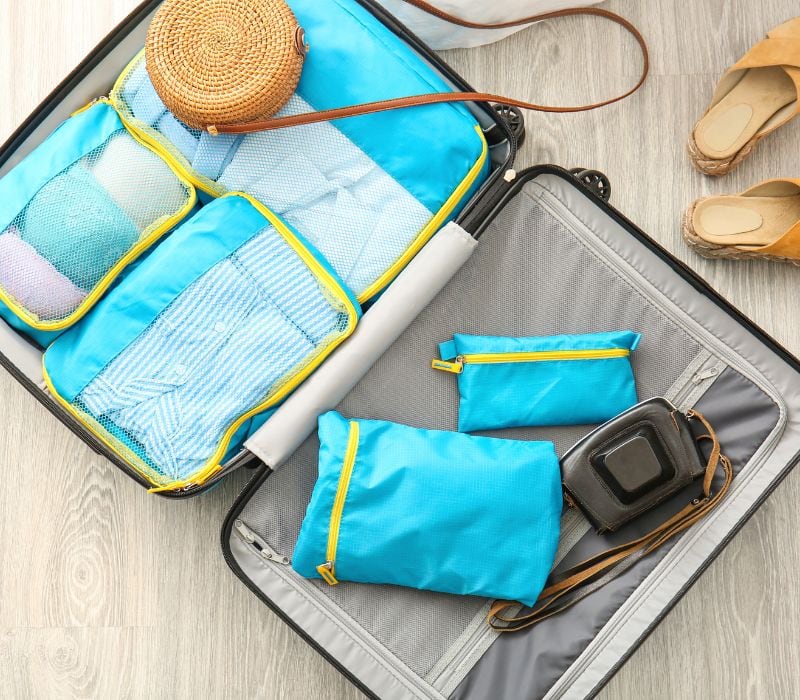
Packing cubes are a game-changer for organized travel. They help you compartmentalize your luggage, making it easier to find what you need without unpacking everything.
Use different cubes for different categories, such as clothing, toiletries, and electronics. This not only keeps your suitcase tidy but also makes repacking a breeze.
Navigating Airports Efficiently
Arriving Early
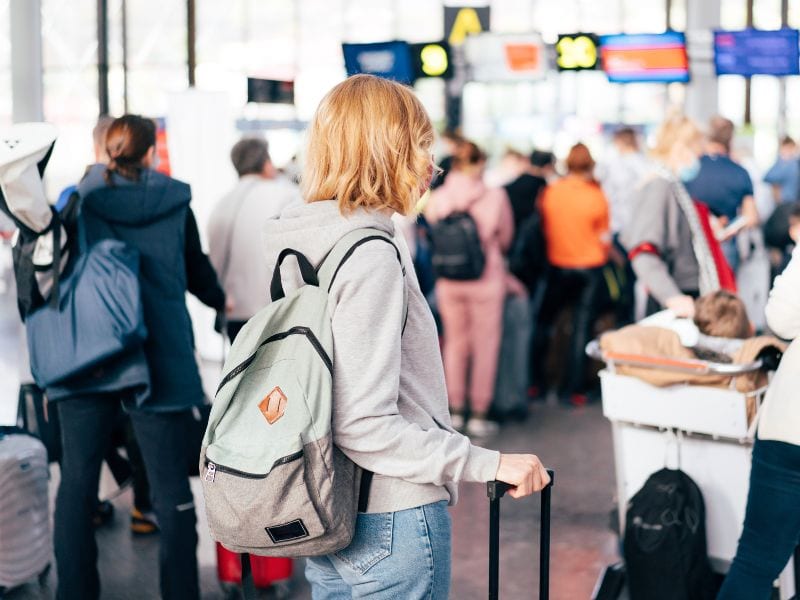
Arriving at the airport early is a no-brainer, 🤔 but how early is early enough?
For domestic flights, aim to arrive at least 2 hours before departure. For international flights, 3 hours is a safe bet.
This gives you plenty of time to check in, go through security, and grab a coffee before your flight.
Security Checkpoints
Security checkpoints can be a major bottleneck in your travel experience.
To speed things up, wear slip-on shoes, avoid wearing excessive jewelry, and have your liquids and electronics easily accessible.
Enrolling in programs like TSA PreCheck or Global Entry can also save you a lot of time and hassle.
Airport Lounges

Airport lounges are worth considering if you have a long layover or just need a quiet place to relax.
Many credit cards offer complimentary lounge access, or you can purchase a day pass.
Lounges typically offer comfortable seating, free Wi-Fi, snacks, and beverages, making your airport experience much more pleasant.
Traveling with Kids
Keeping Kids Entertained
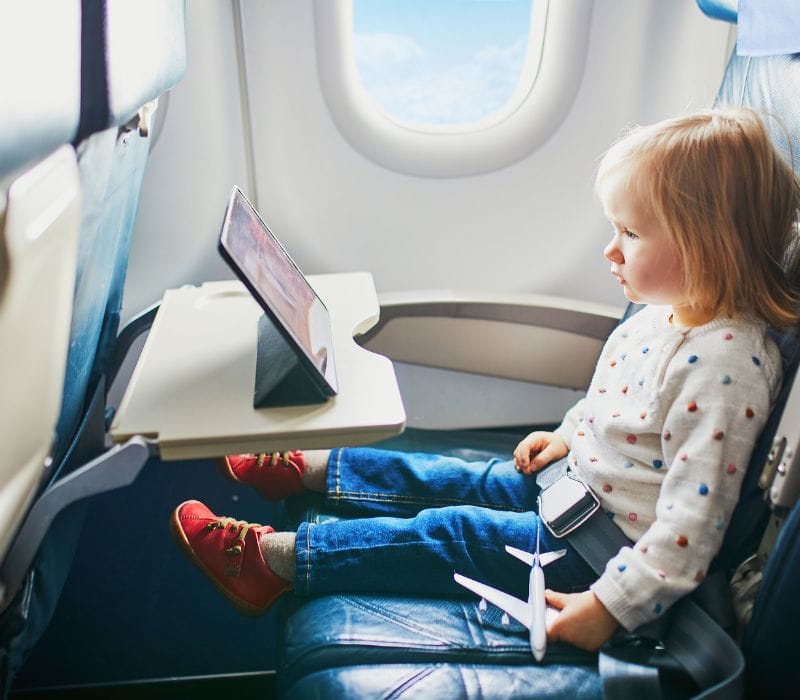
Traveling with kids can be challenging, but with a little preparation, it can also be a lot of fun.
Pack a variety of activities to keep them entertained, such as coloring books, puzzles, and electronic devices loaded with their favorite movies and games.
Snacks are also essential, as hungry kids are cranky kids.
Packing for Kids
When packing for kids, think about their comfort and convenience. Bring along their favorite blanket or stuffed animal to help them feel secure.
Pack extra clothes in your carry-on in case of spills or accidents. Also, remember any necessary medications or special dietary items.
Family-Friendly Destinations

Choosing a family-friendly destination can make all the difference. Look for places that offer a variety of activities for all ages, such as theme parks, beaches, and museums.
Websites like Family Vacation Critic offer reviews and recommendations for family-friendly destinations worldwide.
Staying Healthy While Traveling
Hydration Tips
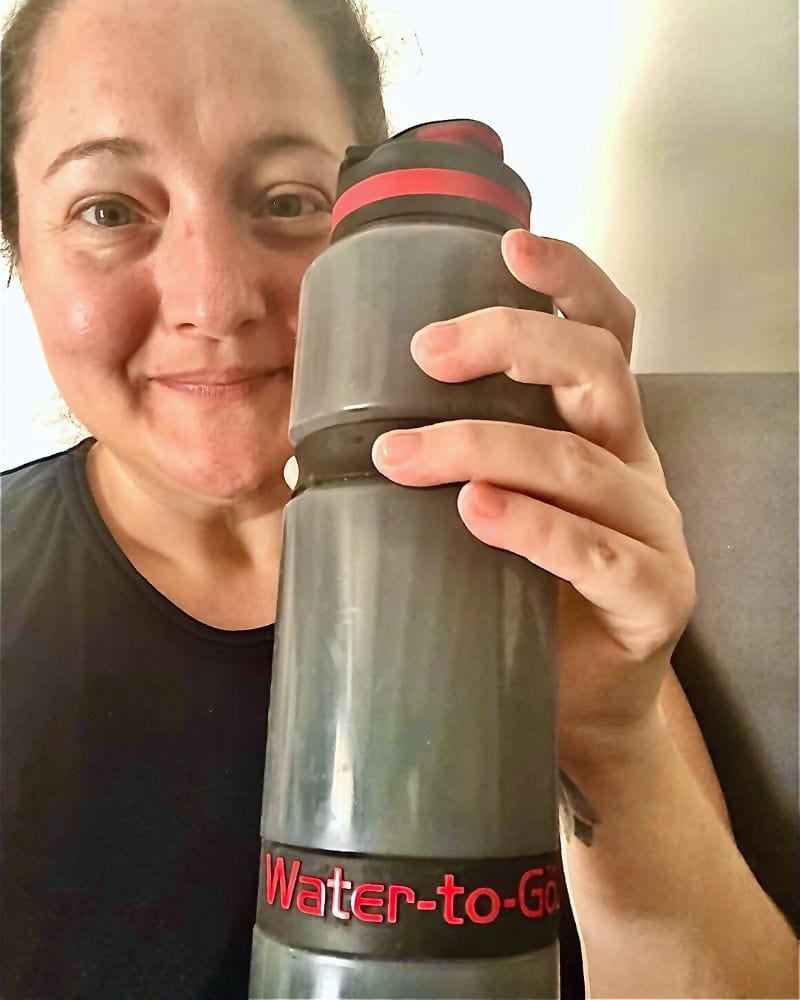
Staying hydrated is crucial, especially when traveling. Airplane cabins are notoriously dry, so drink plenty of water before, during, and after your flight.
Carry a reusable water bottle and refill it whenever you can. Avoid excessive caffeine and alcohol, as they can dehydrate you.
Healthy Snacks
Traveling often means eating on the go, but that doesn’t mean you have to sacrifice your health.
Pack healthy snacks like nuts, fruit, and granola bars to keep your energy levels up. Avoid sugary snacks that can lead to energy crashes.
Exercise on the Go

Just because you’re on vacation doesn’t mean you have to skip your workouts. Many hotels offer fitness centers, or you can do a quick workout in your room.
Walking is also a great way to stay active while exploring your destination.
Consider downloading a fitness app like Nike Training Club for guided workouts you can do anywhere.
Managing Travel Stress
Relaxation Techniques

Travel can be stressful, but there are ways to manage it. To help calm your mind, practice deep breathing exercises, meditation, or yoga.
Apps like Headspace offer guided meditations specifically designed for travelers.
Staying Organized
Staying organized can significantly reduce travel stress. Keep all your travel documents in one place, such as a travel wallet or folder.
Use packing lists to ensure you don’t forget anything. And keep a copy of your itinerary handy so you always know what’s next.
Travel Insurance
Travel insurance is a small investment that can save you a lot of headaches. It covers everything from trip cancellations to medical emergencies.
Tech Tips for Travelers
Must-Have Travel Apps
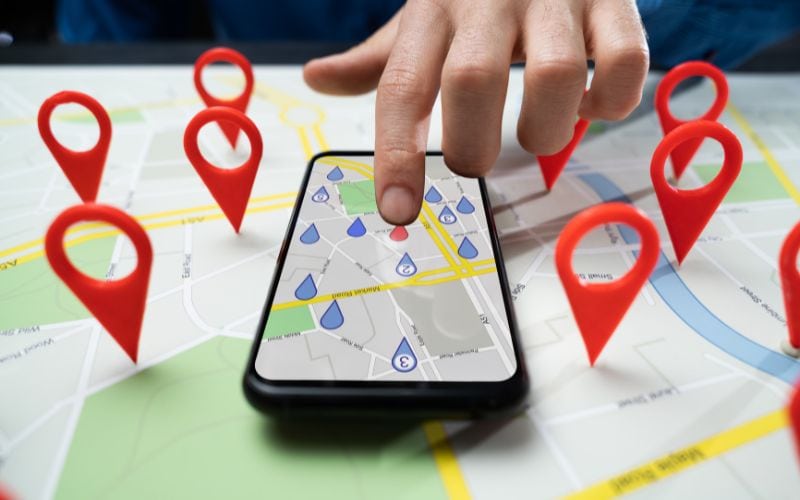
Technology can make travel much easier.
Some must-have travel apps include Google Maps for navigation, TripIt for itinerary management, and Duolingo for language learning.
These apps can help you stay organized, find your way, and communicate with locals.
Staying Connected

Staying connected while traveling is important, whether it’s for work or keeping in touch with loved ones. Consider purchasing a local SIM card or an international data plan.
Apps like WhatsApp and Skype allow you to make calls and send messages over Wi-Fi, saving you on roaming charges.
Digital Security
Protecting your digital information is crucial while traveling. Use this VPN to secure your internet connection, especially when using public Wi-Fi.
Keep your devices updated with the latest security patches and use strong, unique passwords for your accounts.
Apps like LastPass can help you manage your passwords securely.
Budget Travel Tips
Finding Deals
Traveling on a budget doesn’t mean you have to sacrifice quality. Use websites like Skyscanner and Kayak to find the best deals on flights and accommodations.
Sign up for fare alerts and be flexible with your travel dates to score the best prices.
Budget Accommodations
There are plenty of budget-friendly accommodation options available. Consider staying in hostels, guesthouses, or vacation rentals.
Websites like VRBO and Hostelworld offer a variety of options to suit any budget.
Saving on Food and Activities

Eating out can quickly add up, but there are ways to save on food while traveling.
Look for local markets and grocery stores where you can buy fresh, affordable ingredients.
Many destinations also offer free or low-cost activities like hiking, visiting parks, and exploring historical sites.
Solo Travel Tips
Safety Tips

Solo travel can be incredibly rewarding, but it’s important to stay safe. Always let someone know your itinerary and check in regularly.
Avoid walking alone at night and be aware of your surroundings. Trust your instincts, and don’t hesitate to remove yourself from uncomfortable situations.
Meeting New People

One of the best parts of solo travel is meeting new people. Stay in social accommodations like hostels or join group tours and activities.
Websites like Meetup and Couchsurfing offer opportunities to connect with locals and fellow travelers.
Enjoying Alone Time
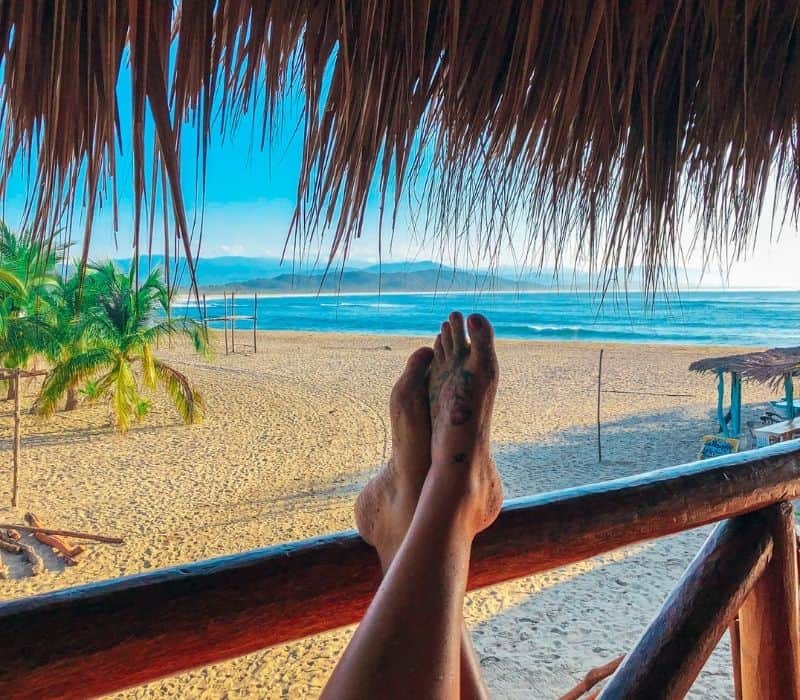
Solo travel is also a great opportunity to enjoy some alone time. Take the time to reflect, relax, and do things at your own pace.
Bring a good book, journal, or sketchpad to entertain yourself during downtime.
International Travel Tips
Passport and Visa Requirements

Before traveling internationally, make sure your passport is up to date and check the visa requirements for your destination.
Some countries require visas to be obtained in advance, while others offer visas on arrival.
Websites like Travel.State.Gov provide up-to-date information on passport and visa requirements.
Currency Exchange

Understanding the local currency and exchange rates is important for international travel.
Exchange some money before you leave, and use ATMs or local banks for the best exchange rates.
Avoid exchanging money at airports or hotels, as they often have higher fees.
Language Barriers
Language barriers can be challenging, but there are ways to overcome them. Learn a few basic phrases in the local language, such as “hello,” “thank you,” and “where is the bathroom?”
Apps like Google Translate can also help you communicate with locals.
Traveling on a Tight Schedule
Prioritizing Activities
When traveling on a tight schedule, prioritizing activities is crucial. List the top attractions or experiences you don’t want to miss and focus on those.
Enjoying a few key experiences fully is better than rushing through many.
Efficient Planning
Efficient planning can help you make the most of your limited time. Use travel apps to find the fastest routes and check for any real-time updates on transportation.
Consider booking guided tours, which can save time on planning and provide in-depth knowledge about the places you visit.
Time Management
Effective time management is essential when traveling on a tight schedule. Start your days early to avoid crowds and maximize your time.
Keep track of time during your activities and be flexible with your plans to adapt to any unexpected changes.
Final Thoughts: Travelling Smart this Summer

Traveling during the summer can be a delightful experience filled with adventure and relaxation.
By planning, packing smartly, and using the right strategies, you can easily navigate the challenges of summer travel.
Whether exploring new destinations, capturing beautiful moments, or making the most of a tight schedule, these tips will help ensure your trip is smooth and enjoyable.
So, pack your bags, plan your itinerary, and get ready to make unforgettable memories this summer. Happy travels!