
This Mexican Cave of Crystals Holds a Deadly Secret


Imagine a cave where the walls are covered with huge, sparkling crystals, some as big as trees.
This isn’t a scene from a fantasy book but a real place on Earth—the Cave of Crystals in Naica, Mexico.
Found by accident in 2000, this underground wonder has amazed scientists and adventurers alike.
But beneath its stunning beauty lies a deadly secret that makes it one of the most dangerous places on the planet.
In this article, we’ll explore the fascinating world of the Cave of Crystals, how it formed, why it’s important, and the challenges it presents.
Disclosure: This article may contain affiliate links, meaning when you make a purchase, I earn a small commission. Affiliate links cost you nothing to use, and help keep my content free. It’s a win-win for us both. For more info, see the Disclosure Policy.
The Discovery of the Cave of Crystals
The Accidental Find

In 2000, miners drilling a tunnel into the Naica Mine in Chihuahua, Mexico, accidentally found a fantastic underground chamber.
This discovery revealed a cave filled with huge, milky-white crystals over 11 meters (37 feet) long.
The miners had found what would soon be known as the Cave of Crystals, a natural wonder that would capture the world’s attention.
Initial Reactions and Studies
The first reactions to the discovery were awe and curiosity. Scientists and geologists worldwide came to Naica to study the cave and its unique formations.
Juan Manuel García-Ruiz, a geologist with the Spanish National Research Council (CSIC), called the cave the “Sistine Chapel of crystals.”
This comparison to one of the world’s most famous artistic masterpieces showed just how special the cave is.
Geological Significance
The Formation Process
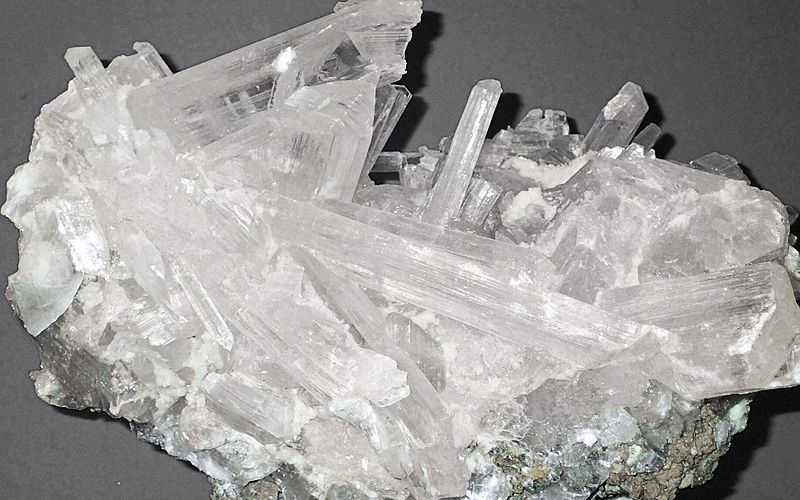
The formation of the Cave of Crystals is a testament to the incredible forces of nature.
The cave, made of limestone, sits above a magma reservoir buried three to five kilometers (two to three miles) beneath Naica.
Around 26 million years ago, magma from this reservoir pushed mineral-rich waters upward through cracks in the rock.
These waters, full of minerals like anhydrite, filled the cave and began to crystallize over thousands of years.
The Role of Magma and Mineral-Rich Waters
The key to the formation of the giant crystals lies in the unique conditions within the cave.
Temperatures stayed around 136°F (58°C), creating the perfect environment for the anhydrite to dissolve and re-crystallize as selenite gypsum over many years.
This process resulted in forming some of the largest natural crystals ever discovered.
The Crystals: Nature’s Masterpieces
Types of Crystals Found
The Cave of Crystals is home to various crystal formations, mainly made of selenite gypsum. These crystals are known for their incredible size and translucent, milky-white look.
The cave also has smaller formations, including needle-like crystals that add to its magical beauty.
The Largest Crystals on Earth
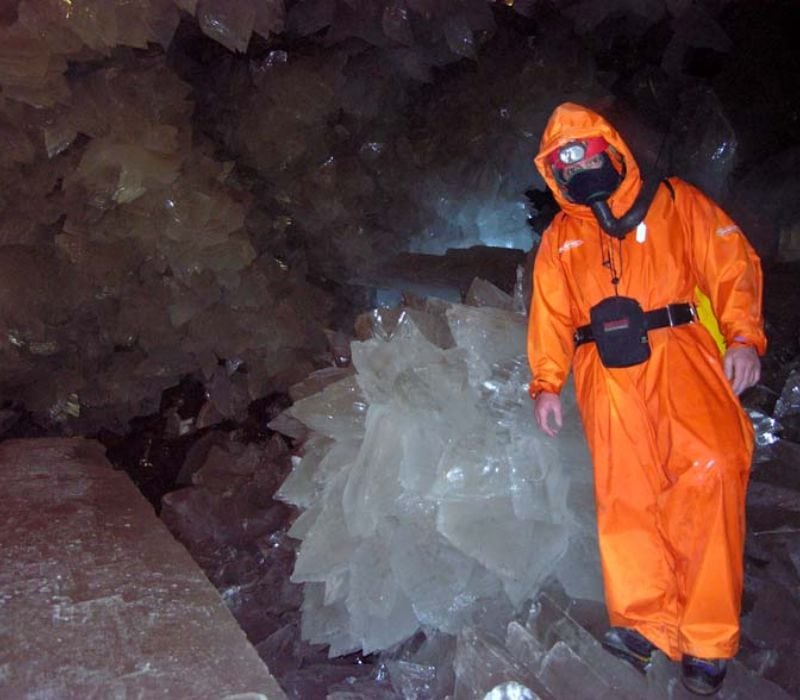
Among the many wonders of the Cave of Crystals, the sheer size of the formations stands out.
The largest crystal found in the cave measures over 11 meters (37 feet) long and one meter (3.3 feet) wide.
These huge structures are a testament to nature’s slow, steady processes, which have created some of the most awe-inspiring natural formations on Earth.
The Deadly Conditions
Extreme Temperatures
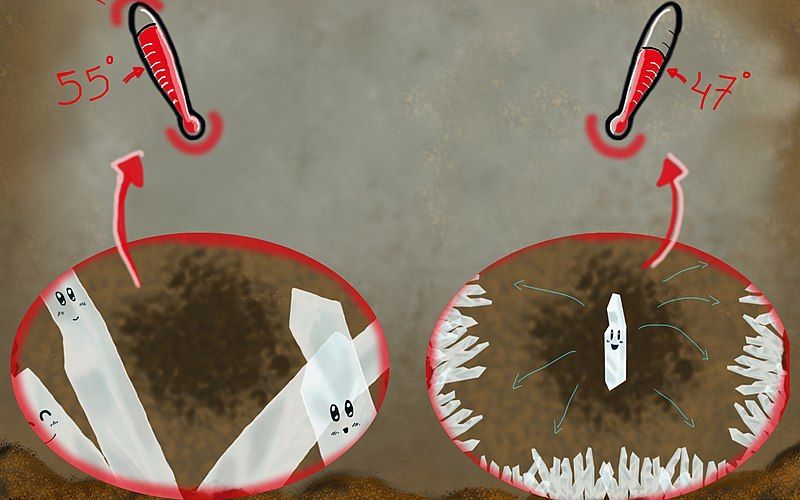
😱 While the Cave of Crystals is a sight to behold, it is also one of the most inhospitable places on the planet.
The temperatures inside the cave can reach up to 58°C (136°F), making it extremely hard for humans to stay for long periods.
High Humidity Levels
In addition to the extreme heat, the cave’s humidity levels are over 90%. At such high levels, sweating doesn’t work well as a cooling mechanism, posing a big risk to human health.
Without proper protective gear, visitors can quickly suffer from heatstroke and dehydration.
The Risks to Human Health
The combination of high temperatures and humidity makes the Cave of Crystals a potentially deadly environment.
Researchers and explorers must wear special suits with cooling systems to navigate the cave safely.
Despite these precautions, the risks remain high, and only a few have had the chance to explore this natural wonder firsthand.
Scientific Studies and Research
Early Research Efforts
After the cave was discovered, scientists started a series of studies to understand its unique geological features.
Early research focused on the composition and formation of the crystals and the environmental conditions that allowed them to grow so big.
Ongoing Studies and Discoveries
Research on the Cave of Crystals is ongoing, with scientists continually finding new insights into its formation and importance.
Recent studies have explored the microbial life within the cave, revealing the presence of extremophiles — organisms that thrive in extreme conditions.
These findings affect our understanding of life in extreme environments on Earth and possibly on other planets.
The Cave’s Ecosystem
Microbial Life
The extreme conditions within the Cave of Crystals have given rise to a unique ecosystem, home to microbial life forms that have adapted to the harsh environment.
These extremophiles offer valuable insights into the resilience of life and the potential for similar organisms to exist in other extreme environments, such as deep-sea hydrothermal vents or even extraterrestrial settings.
The Impact of Human Activity
While the discovery of the Cave of Crystals has provided invaluable scientific knowledge, it has also raised concerns about the impact of human activity on this delicate environment.
The presence of researchers and explorers and the potential for contamination threaten the cave’s pristine conditions.
Efforts are being made to minimize human impact and preserve the cave for future generations.
Preservation Efforts
Challenges in Conservation
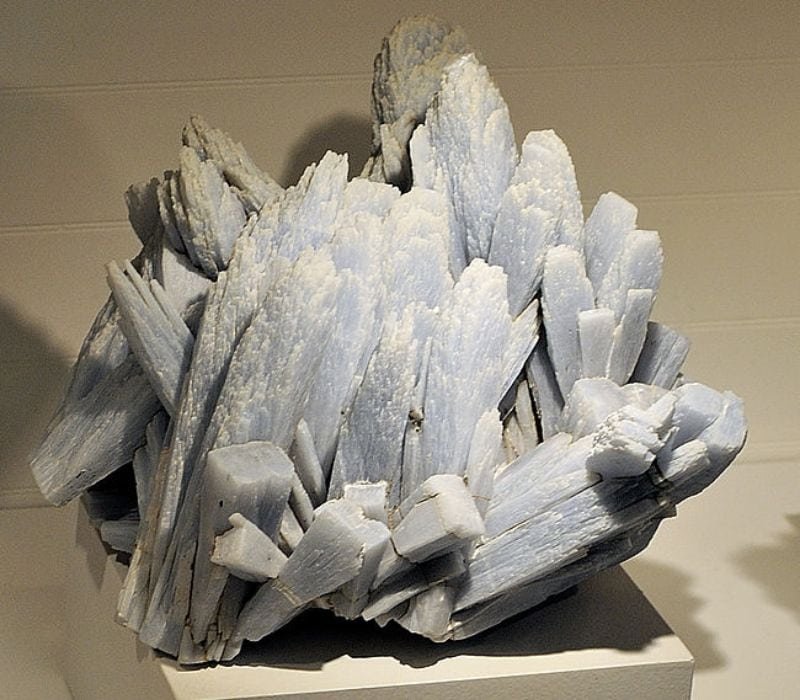
Preserving the Cave of Crystals presents numerous challenges. The extreme conditions that make the cave so unique also complicate conservation efforts.
Maintaining the delicate balance of temperature and humidity is crucial to preserving the crystals, but this is difficult to achieve with human intervention.
Measures Taken to Protect the Cave
Strict measures have been implemented to address these challenges to protect the Cave of Crystals.
Access to the cave is highly restricted, with only a few researchers allowed entry under controlled conditions.
Additionally, efforts are being made to monitor and maintain the cave’s environmental conditions to ensure the long-term preservation of its unique formations.
The Cave of Crystals in Popular Culture
Media Coverage
The discovery of the Cave of Crystals has garnered significant media attention, with numerous articles, documentaries, and television programs dedicated to exploring its wonders.
This coverage has helped raise awareness of the cave’s significance and the need for its preservation.
Documentaries and Films
Several documentaries and films have been produced to showcase the beauty and mystery of the Cave of Crystals.
These productions offer viewers a glimpse into the cave’s otherworldly environment and the scientific efforts to study and protect it.
Notable examples include National Geographic’s “Into the Lost Crystal Caves” and the BBC’s “The Crystal Cave.”
Visitor Experiences
Guided Tours
No, people can not visit the Crystal Cave. Although the caves are closed, it is possible to see one of the crystals up close.
In New York City, the Astro Gallery displays a 32-inch Selenite crystal from the Naica.
Personal Accounts and Stories
Those who have had the rare opportunity to explore the Cave of Crystals often describe it as a life-changing experience.
The sheer scale and beauty of the crystals leave a lasting impression, and the challenges of navigating the extreme conditions add to the sense of adventure and discovery.
The Future of the Cave of Crystals
Potential Discoveries
The Cave of Crystals continues to be a source of fascination and intrigue for scientists and explorers.
Ongoing research and technological advancements promise new discoveries that will further our understanding of this unique geological wonder.
The Role of Technology in Exploration
Advancements in technology are crucial in the exploration and study of the Cave of Crystals.
From specialized cooling suits to remote sensing equipment, these innovations are enabling researchers to navigate the cave’s extreme conditions safely and uncover its secrets.
The Crystal Cave: Frequently Asked Questions
How were the crystals in the Cave of Crystals formed?
The crystals were formed over millions of years through the slow crystallization of mineral-rich waters in a limestone cavern above a magma reservoir.
The unique conditions of high temperatures and mineral saturation allowed the crystals to grow to their immense sizes.
Why is the Cave of Crystals considered dangerous?
The cave’s extreme temperatures, which can reach up to 58°C (136°F), and high humidity levels exceeding 90% make it a hazardous environment for humans.
These conditions can lead to heatstroke and dehydration, posing significant risks to those who enter without proper protective gear.
What types of crystals are found in the Cave of Crystals?
The primary crystals found in the cave are selenite gypsum, known for their translucent, milky-white appearance.
These crystals are among the largest natural formations ever discovered, with some measuring over 11 meters (37 feet) in length.
Can the public visit the Cave of Crystals?
No — you can not visit the Cave of Crystals.
What measures are being taken to preserve the Cave of Crystals?
Strict measures have been implemented to protect the cave, including limiting access to researchers under controlled conditions and monitoring the cave’s environmental conditions.
These efforts aim to preserve the delicate balance necessary for the crystals’ long-term preservation.
What is the significance of the microbial life in the Cave of Crystals?
The discovery of extremophiles—microorganisms that thrive in extreme conditions—within the cave offers valuable insights into life’s resilience.
These findings have implications for our understanding of life in extreme environments on Earth and the potential for similar organisms to exist on other planets.
The Cave of Crystal: Final Thoughts
The Cave of Crystals in Naica, Mexico, is a testament to the incredible forces of nature and the beauty that can arise from extreme conditions.
Its towering crystals, formed over millions of years, offer a glimpse into the Earth’s geological history and the resilience of life in harsh environments.
While the cave’s deadly conditions pose significant challenges, ongoing research and preservation efforts ensure this natural wonder remains a source of fascination and inspiration for future generations.