
Read This if You HATE Traveling With Your Significant Other


For some couples, a romantic getaway or an adventurous trip strengthens their bond and creates core memories — though others hate traveling with a significant other.
In fact, a survey by Hotels.com done earlier this year revealed that 24% of travelers don’t enjoy traveling with their partner, and 33% of Americans have even broken up with a partner during a trip because of their annoying travel habits.
Traveling can bring out the best, and the worst, in people, and some common annoyances that couples face include:
- Not letting you eat or drink from the mini bar because it’s too expensive
- Always forgetting the room key and assuming you have it
- Keeps the room a mess
- Unpacks immediately
- Brings their own pillow or bedding with them
If you hate traveling with your partner because of some (or all 🤬) of those reasons, you’re not alone — so let’s look at some ways to make your trips better.
Not All Couples Travel the Same
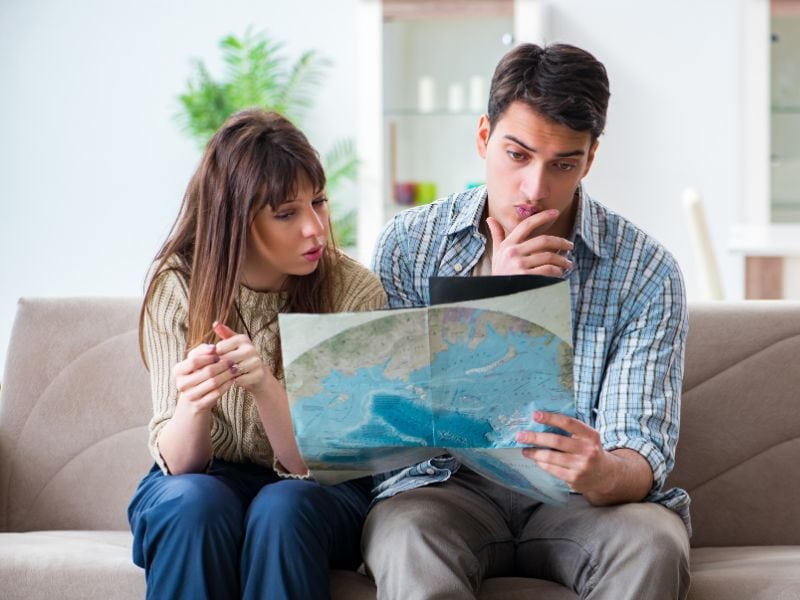
Right off the bat: Traveling means different things to different people — and that’s perfectly normal!
Also, while everyone wants to think travel is just sipping piña coladas poolside, it’s actually pretty stressful when you think about it.
From planning, to packing, to getting to the airport on time, to getting through the long security line, to flight turbulence, and then getting to your hotel…
Of course, there are MANY other things that add stress to trips, like these:
- Different Pacing: One partner may prefer a slow pace, while the other wants to pack each day with as many activities as possible.
- Budget Disagreements: Arguments over spending can create tension, especially if one partner is more frugal.
- Packing Styles: Differences in packing habits, like overpacking or underpacking, can lead to frustration.
- Sleep Preferences: Conflicting sleep schedules or preferences can affect rest and mood.
Another common source of conflict that leads people to hate traveling with your significant other is different travel styles.
Below, we list some different styles of traveler, which can lead to incompatibilities during a vacation when you’re not on the same page.
The Planner vs. The Spontaneous Traveler
Planners like to have every detail mapped out, from itineraries to reservations. They find comfort in knowing what to expect and enjoy organizing the trip.
On the other hand, spontaneous travelers prefer to go with the flow, making decisions on the fly and embracing the unexpected.
These different approaches can lead to tension if not addressed.
The Big Spender vs. The Penny Pincher
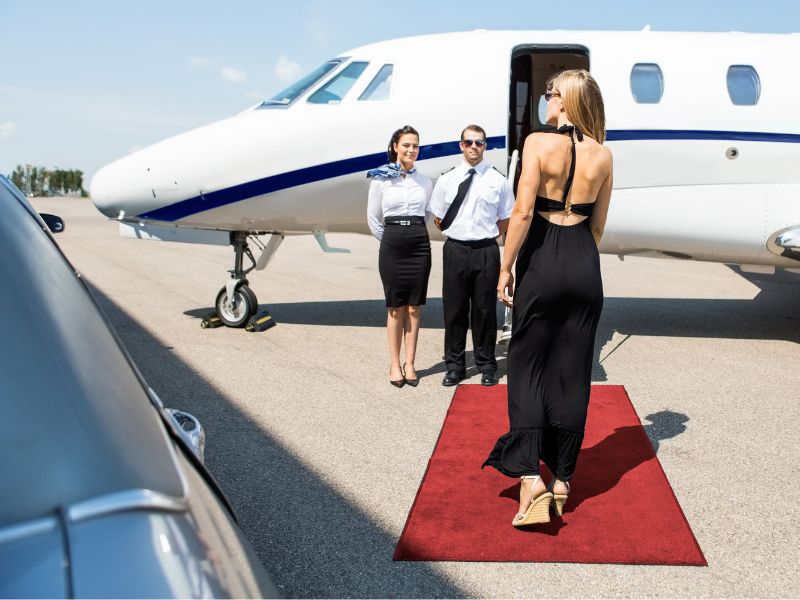
For some, vacations are a time to “go big or go home” with 5-Star resorts, Michelin Star restaurants, shopping sprees, and more.
However, others prefer street food stands where the locals eat and hostels or mid-range hotels because, honestly, these are just places to sleep and shower anyway.
Of course, no one is right or wrong here. However, it’s a good idea to get on the same page with your vacation budget so no issues arise during the trip.
The Adventurer vs. The Relaxer
Another common difference is the type of activities each partner enjoys.
Adventurers seek thrill and excitement, often opting for activities like hiking, diving, or exploring off-the-beaten-path destinations.
Relaxers, however, prefer a more laid-back approach, enjoying leisurely activities such as lounging by the pool, spa treatments, or casual sightseeing.
Balancing these preferences requires open communication and compromise.
Communication is Key

Before going on a trip, it’s important to have an open and honest conversation about your expectations.
Discuss what each of you hopes to get out of the trip, your preferred activities, and any concerns you might have.
Setting clear expectations can help prevent misunderstandings and ensure both partners are on the same page — so take the time to discuss travel preferences in detail.
This includes everything from accommodation choices and dining preferences to daily routines and activity levels.
Understanding each other’s likes and dislikes can help you plan a trip that caters to both of your needs.
The Importance of Compromise
About 88% of respondents to the Hotels.com survey confessed that their partner’s travel behavior makes them want to take fewer trips together.
For these travelers, compromise becomes essential when traveling with a partner who doesn’t necessarily want the same things out of the trip as you do.
This might mean alternating between activities that each of you enjoys or finding ways to include elements of both your preferences into the itinerary.
The goal is to create a balanced experience that both partners can enjoy.
Involving your partner in the decision-making process can help ensure that both of you feel heard and valued.
Whether it’s choosing a destination, planning activities, or deciding where to eat, making joint decisions can strengthen your bond and make the trip more enjoyable for both of you.
Dealing with Annoying Habits

It’s natural to have pet peeves, but it’s important to address them constructively.
Instead of letting minor annoyances build up, have a calm and respectful conversation about what’s bothering you.
Use “I” statements to express your feelings without placing blame, and be open to hearing your partner’s perspective.
Patience is a virtue, especially when traveling with a significant other.
Remember that travel can be stressful, and it’s easy to become irritated over small things. Practice patience and try to see things from your partner’s point of view.
A little understanding can go a long way in maintaining harmony.
The Impact of Stress on Relationships
As mentioned earlier, 33% of Americans have broken up with a partner during a trip because of their travel habits.
Travel is stressful, and it’s important to recognize the triggers that can affect your relationship.
These might include long travel days, unfamiliar environments, or logistical challenges.
By identifying your stress triggers, you can take proactive steps to manage them and prevent them from impacting your relationship.
Developing coping mechanisms can help you manage stress and maintain a positive relationship while traveling.
This might include deep breathing exercises, taking breaks, or finding ways to relax and unwind.
Effective stress management can help you stay calm and focused, even in challenging situations.
The Benefits of Solo Time During Travel

Spending every moment together can be overwhelming, even for the closest couples, some of which actually do solo travel to avoid conflict.
If you don’t want to do solo trips, consider taking smaller breaks from each other during your trip for a much-needed respite that allows you both time to recharge.
Whether it’s a solo walk, a visit to a local café, or a personal activity, solo time can help you maintain your individuality and return to your partner refreshed.
If your interests are very divergent, encourage each other to pursue individual interests during the trip so everyone gets what they want out of the trip.
This might mean exploring different attractions, attending separate workshops, or simply enjoying some alone time.
Pursuing individual interests can enrich your travel experience and provide new topics for conversation and connection.
Learning from Each Trip
After each trip, take the time to identify what worked well and what didn’t.
Discuss the aspects of the trip that you both enjoyed and the challenges you faced.
This reflection can help you make improvements for future trips and ensure a more enjoyable experience.
Use the insights gained from each trip to make improvements for future travels.
This might include adjusting your travel style, setting even clearer expectations, or finding new ways to compromise.
Continuous improvement can help you build a stronger and more harmonious travel partnership.
Laughing Off Mishaps

While doing a post-game analysis on your past trips together (that might not have gone smoothly), humor can be a powerful tool for diffusing tension and maintaining a positive mood.
Even during trips together, laughing off your mishaps and finding humor in challenging situations will help you stay connected and enjoy the journey.
Embrace the unexpected and find joy in the little moments. Keeping the mood light and positive can enhance your travel experience.
Focus on the positive aspects of each trip, celebrate the small victories you achieved as a couple, and find reasons to smile.
A positive attitude can help you navigate challenges and create lasting memories — and put you in the best headspace for future trips.
Common Couples Travel FAQs

How can we avoid conflicts while traveling together? Open communication, setting clear expectations, and practicing compromise can help you avoid conflicts.
What should we do if we have different travel styles? Discuss your preferences, find common ground, and create a balanced itinerary that caters to both of your interests.
How can we manage travel stress? Recognize stress triggers, develop coping mechanisms, and practice patience and understanding.
Is it okay to spend time apart while traveling? Yes, taking breaks from each other and pursuing individual interests can help you recharge and maintain harmony.
How can we handle unexpected expenses? Create a contingency fund and agree on how to handle financial decisions on the fly.
What are some tips for staying safe while traveling? Stay aware of your surroundings, keep valuables secure, and follow local safety guidelines.
Traveling with your significant other can be a rewarding and enriching experience, but it requires effort, communication, and compromise.
By understanding each other’s travel styles, setting clear expectations, and practicing patience and flexibility, you can navigate the challenges and create lasting memories together.
Embrace the journey, learn from each experience, and continue to grow as a travel team. Happy travels!