
Summer Air Travel is Going to Be AWFUL This Year — Here’s Why


Run into trouble at the airport this year? You’re not alone — and in fact, I’m right there with you (and everyone else).
We’ve all experienced or heard horror stories about the dire state of air travel from flight delays and cancellations, to lost luggage and unusually long wait times on the tarmac (not to mention the Boeing whistleblower stories).
Even seasoned travelers and travel bloggers like me have faced these challenges.
But how did we get here? Why has air travel become so problematic? And more importantly, what steps are being taken to resolve these issues?
In this article, I’m going to address all your concerns about the current state of air travel and offer tips on how to make your future travel experiences smoother.
Disclosure: This article may contain affiliate links, meaning when you make a purchase, I earn a small commission. Affiliate links cost you nothing to use, and help keep my content free. It’s a win-win for us both. For more info, see the Disclosure Policy.
Just How Bad is It Really?

Just how bad is the air travel situation these days? In short: VERY bad, and air travelers are more frustrated than ever.
According to a 2023 Expedia survey of 1,000 U.S. air travelers, 55% said traveling by commercial plane is more stressful than filing taxes or going to the dentist.
According to the website on FlightAware, which gives daily updates on canceled and delayed flights, Friday, January 12, 2024, saw the single-highest number of flight cancellations of the year with more than 2,000 cancellations that day.
Prior to that, 2023 had three days that also saw 2,000-plus flight cancellations on a single day.
On the whole, about 22% of flights are delayed these days — and to add insult to injury, the rate of lost checked luggage has steadily increased since 2019.
🧳 Pro Tip: If you’re traveling soon and checking bags, make sure you buy these AirTags so you don’t end up stranded somewhere without your luggage.
If you thought that the end of COVID-19 health safety measures for flight travel would ease travelers’ anger, the ongoing flight delays, cancellations, long security lines, and lost luggage have proven otherwise.
The pent-up frustration continues to erupt in airports and on airplanes, with travelers sadly taking it out on airline staff — though it’s not their fault, and they’re often just as stressed as we are.
3 Reasons Commercial Air Travel Sucks so Bad Right Now
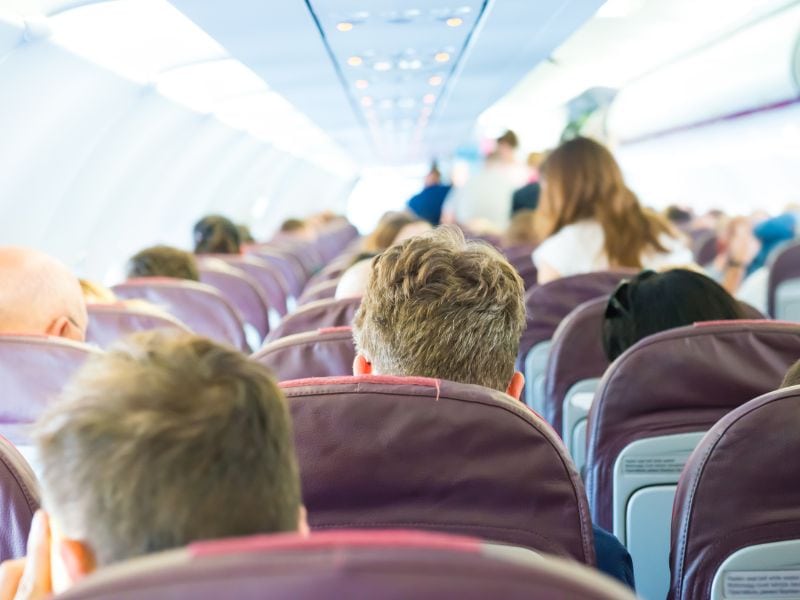
1. Airlines using Smaller Planes
For years, many U.S. airlines have increasingly relied on smaller aircraft like the Boeing 737 series and Airbus A320 models, while reserving larger planes for profitable long-haul international routes.
While some airlines did use their larger aircraft more frequently during the early pandemic for social distancing, this largely ended in late-2022 or early-2023.
2. Airlines claim there are “pilot shortages”
Also, airlines reduced the hiring of new pilots, relying instead on seasoned pilots nearing retirement, and creating a so-called “pilot shortage” that doesn’t exist.
Although multiple airlines have pledged to enhance recruitment and training of new pilots, the Air Line Pilots Association (ALPA) begs to differ.
They say this “pilot shortage” is just a ruse for the airline companies to save money, and that there are plenty of available pilots but airlines just don’t want to pay them.
3. Bottom Line: Airlines are Cheapskates
ALPA adds that it’s the airlines’ unwillingness to adequately invest in strong safety standards and schedule more flights to meet growing traveler demand are only making things worse for us, the travelers.
Of course, the bottom line for any business is profits — but we all know about the insane salaries their CEOs get, while regular folks foot the bill — so it’s hard to sympathize here.
What Are the Airlines Doing About This?
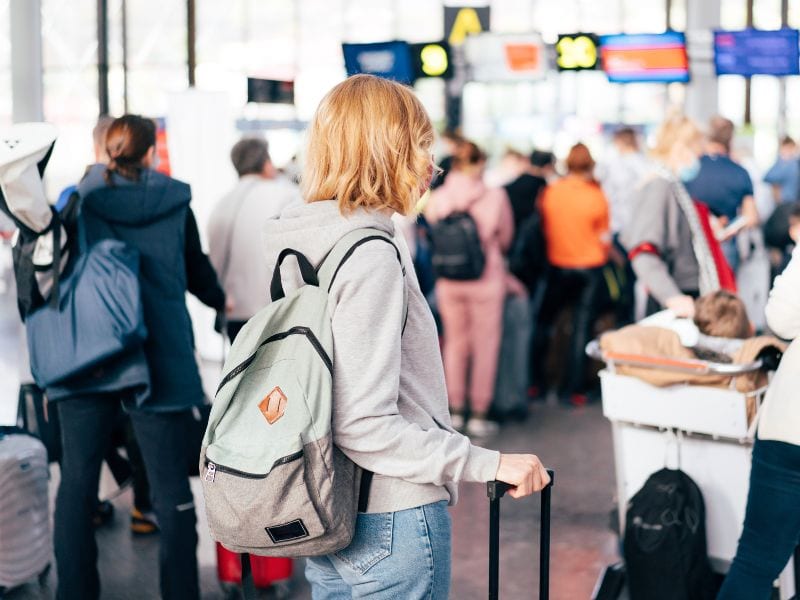
Several major airline companies have committed to hiring and training additional staff and increasing flight services to meet growing traveler demand, but issues persist.
However, given that pilots need extensive education and specialized training, it will likely take a few more years before these efforts significantly impact flight operations.
What is the U.S. Government Doing About This?
On the government side, the U.S. Department of Transportation has introduced proposed regulations aimed at addressing hidden fees, flight cancellations, and lost luggage.
Also, the Biden administration plans to use $15 billion from Bipartisan Infrastructure Law, which was passed by Congress in 2021, to renovate and upgrade several U.S. airports.
Similar to the airlines’ initiatives to recruit new pilots, the benefits of these infrastructure improvements will likely take a few more years to become evident (but let’s not hold our breath).
What Can We Do In the Meantime to Protect Our Travel Plans? (And Our Sanity)
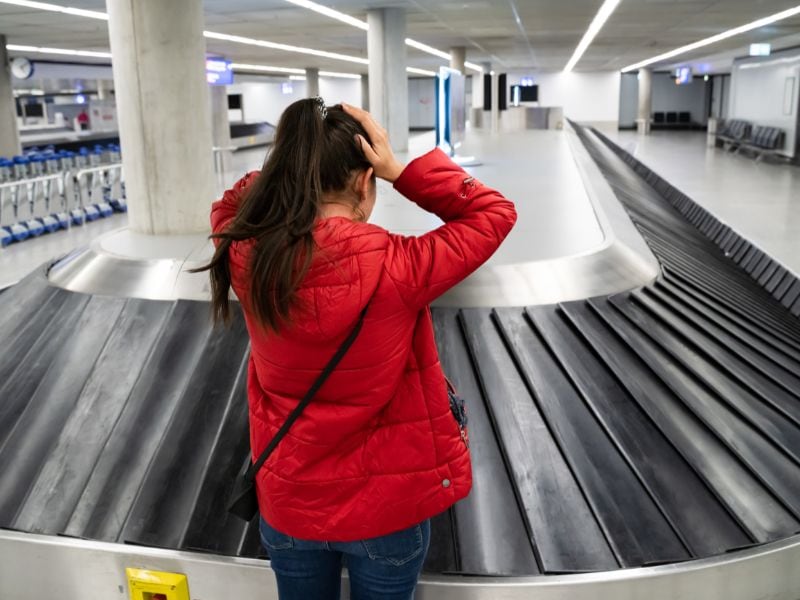
I hate this answer, but for your own sanity, I recommend you have backup plans, back up plans for your back up plans, and contingency plans for your back up plans.
If you have extra space in your carry-on luggage, pack an additional outfit or two in case your checked luggage gets lost — and don’t forget your AirTags for all checked baggage.
When booking flights with layovers, allow ample time between connections to account for potential delays or additional security checks.
In the unfortunate event that your flight is canceled and the airline is unable to rebook you on a same-day flight, be prepared to arrange a last-minute hotel.
Alternatively, reach out to friends or relatives in the area to see if you can stay with them for the night.
When it’s time to address your concerns, do not vent on social media or harass the airline staff who are already under significant stress.
Instead, utilize the U.S. Department of Transportation’s Aviation Consumer Protection resources and be ready to file the necessary paperwork for any refunds you may be entitled to.