
This is the Most Dangerous City in Every US State — What Do You Think Went Wrong in Our Country?


Every state has that one city.
You know the one—where crime statistics make the nightly news, where residents avoid certain neighborhoods after dark, where property values plummet and businesses board up their windows.
These are America’s most dangerous cities, and despite decades of promises from politicians, task forces, and “comprehensive crime reduction strategies,” nothing seems to change.
Why? Because fixing crime is hard, expensive, and politically complicated.
It’s much easier for officials to hold press conferences, announce new initiatives, and blame the previous administration than to actually address the root causes.
Meanwhile, real people in these communities pay the price with their safety, their property, and sometimes their lives.
Here’s a look at the most dangerous cities across America—and the uncomfortable truth about why your elected officials would rather talk about crime than actually do something about it.
The National Picture: Why Crime Isn’t Equal

Before we dive in, let’s be clear: violent crime has actually decreased nationally.
The FBI’s 2024 data shows violent crime fell 4.5% and property crime dropped 8.1%. That’s great news for America as a whole.
But it’s cold comfort if you live in Memphis, Detroit, or Baltimore, where violent crime rates are still three to six times the national average.
The reality is that crime in America isn’t evenly distributed.
A handful of cities account for a disproportionate share of violent crime, and those cities have been stuck in the same cycle for decades: poverty, unemployment, failing schools, broken families, drug addiction, and violence.
Officials know what the problems are. They just don’t want to do what it takes to fix them.
The Top Offenders: Where It’s Worst
1. Memphis, Tennessee – The Reigning Champion Nobody Wants

Memphis tops nearly every “most dangerous city” list with a violent crime rate of 2,501 per 100,000 people—almost six times the national average.
There were 320 murders in 2024. For context, that’s in a city of just over 600,000 people.
City officials love to point to the fact that crime decreased by 22% in 2025 compared to the previous year. Great!
You’re finally moving in the right direction after decades of failure. Want a cookie?
Meanwhile, President Trump has said Memphis is “early on the list” for federal intervention because local leadership clearly can’t handle it.
The problems in Memphis are the same as everywhere else: poverty (26% poverty rate), failing schools, gang activity, and a revolving door justice system.
But instead of addressing these, officials prefer to shuffle police resources around and claim victory when numbers drop slightly from “catastrophic” to merely “terrible.”
2. Detroit, Michigan – Decline That Never Ends
Detroit’s violent crime rate is 1,781 per 100,000 residents—more than triple the national average.
The city has been in decline since the auto industry collapsed, taking with it the tax base, the jobs, and any reason for people to stay.
What’s the city’s response? Economic development programs that benefit developers while residents still can’t get streetlights fixed.
Detroit has some of the highest property taxes in the nation while providing some of the worst services.
And yet, officials keep promising “Detroit is coming back!” It’s been coming back for 40 years. How’s that working out?
3. St. Louis, Missouri – Murder Capital of America
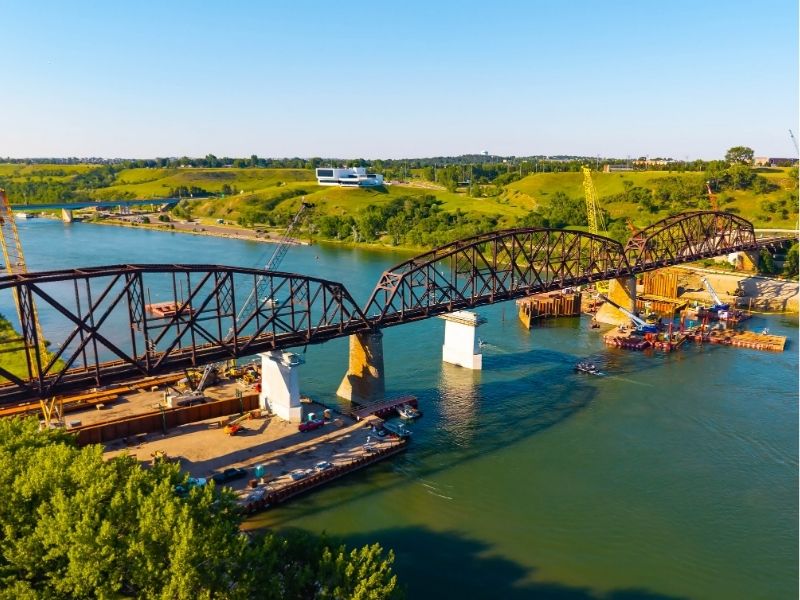
St. Louis had the highest murder rate in the nation until Memphis recently overtook it.
The city’s violent crime rate is a staggering 8,710 per 100,000—almost unbelievable.
Assault is the most common crime, making up the majority of the 1,470 violent crimes per 100,000 residents.
Officials love to announce new anti-violence initiatives, community partnerships, and increased police funding.
None of it addresses the core issue: St. Louis is economically devastated, racially divided, and has systematically failed multiple generations of residents.
But fixing that would require admitting past failures, which politicians absolutely refuse to do.
4. Baltimore, Maryland – The Wire Wasn’t Fiction

Baltimore’s violent crime rate is 4,836 per 100,000, with assault leading at 1,555 per 100,000 residents.
The city has a 22.4% poverty rate—triple the national average—and the problems are geographically concentrated in specific neighborhoods that have been neglected for generations.
City officials love to tout improved “homicide clearance rates” (solving murders).
Congratulations, you’re now solving 68% of murders instead of 40%!
That’s still leaving one-third of murders unsolved, which means killers walk free and communities lose faith in law enforcement.
But sure, celebrate your marginal improvements while ignoring systemic collapse.
The Other Danger Zones: The Most Dangerous City in the Other 46 States
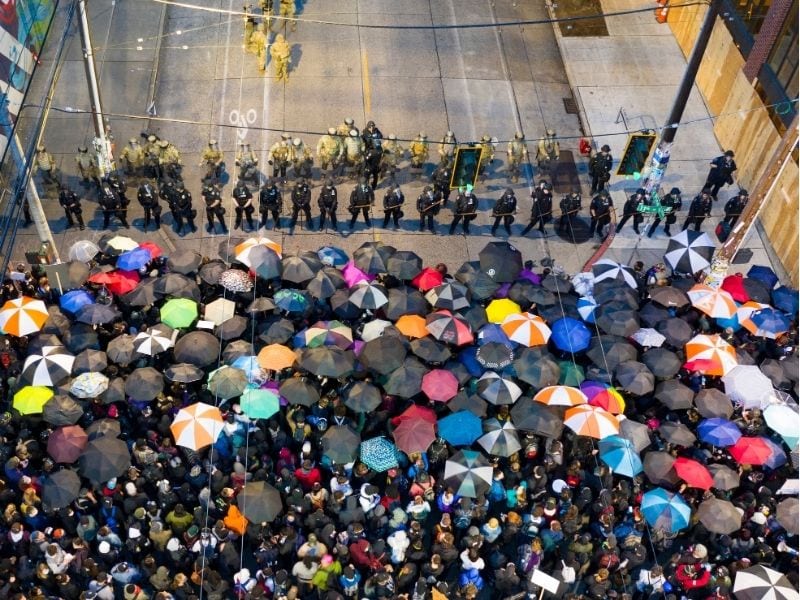
Let’s run through every single state’s most dangerous city. Some will shock you. Others will confirm exactly what you already suspected.
What they all have in common? Officials who talk a big game about “public safety” while doing the bare minimum to actually fix anything.
Alabama: Birmingham – Crime rate of 5,978 per 100,000 with assault leading at 1,694 per 100,000. Mayor’s “blueprint for deterrence” sounds great on paper but requires funding nobody wants to approve.
Alaska: Anchorage – Leads the nation in reported rape rates. Cases take 5-10 years to resolve despite state laws requiring faster trials. Remote geography and understaffed law enforcement mean justice delayed is justice denied.
Arizona: Tucson – High property crime and gang activity in a border state that can’t decide if it wants to fund police or social programs, so it half-funds both and wonders why neither works.
Arkansas: Little Rock – One of the top three most dangerous cities in America with 1,656 violent crimes. Officials keep announcing initiatives. Crime keeps happening.
California: Oakland – Property crime leader at 7,230 per 100,000. Tops medium-sized cities in aggravated assault, robbery, larceny, and motor vehicle theft. Progressive policies meet reality, and reality is winning.
Colorado: Pueblo – Consistently ranks as Colorado’s most dangerous despite being a smaller city. Drug trafficking and gang violence plague a community that officials seem content to forget about.
Connecticut: Hartford – The state’s capital can’t keep its residents safe. Property crime and assault rates far exceed the rest of this otherwise safe state.
Delaware: Wilmington – Delaware’s largest city struggles with gun violence and drug-related crime. Officials blame nearby Philadelphia’s influence while doing little to address local issues.
Florida: Miami – Despite the glitz and glamour, violent crime and property crime rates are significantly above state averages. Tourism dollars fund beaches, not crime prevention.
Georgia: Atlanta – Can’t even get accurate crime data because the city doesn’t properly report to the FBI. Assault rate of 864 per 100,000. If you don’t report it, it didn’t happen, right?
Hawaii: Urban Honolulu – The only city with enough population to make the list. Property crime driven by homelessness and drug issues that officials prefer to hide from tourists.
Idaho: Garden City – Three times more dangerous than the rest of Idaho with 72 aggravated assaults in a town of 12,000. Proves small cities can have big problems.
Illinois: Chicago – Everyone knows Chicago, but East St. Louis is actually worse. Chicago gets the attention; smaller cities get ignored and suffer in silence.
Indiana: Indianapolis – High rates of violent crime including homicides in the 20-23 per 100,000 range. Officials love to announce new police initiatives that mysteriously never get fully funded.
Iowa: Des Moines – Iowa’s capital has crime rates that dwarf the rest of the state. Property crime and assault make residents wonder why they live in the “dangerous” part of Iowa.
Kansas: Wichita – Kansas’s largest city struggles with gang activity and violent crime. Officials focus on economic development while neighborhoods deteriorate.
Kentucky: Louisville – High murder rates and property crime. The city that gave us Muhammad Ali can’t figure out how to protect its current residents.
Louisiana: New Orleans – Tops national homicide lists at 46 per 100,000. Tourism money flows in, but somehow never makes it to the neighborhoods that need it most.
Maine: Augusta – Even Maine’s most “dangerous” city had only 75 violent crimes in 2020. Sometimes being the worst in a safe state means you’re still pretty safe.
Massachusetts: Springfield – The state’s third-largest city has crime rates that shock residents of safer Boston suburbs. Officials blame economic decline while offering no real solutions.
Minnesota: Minneapolis – Post-2020 crime surge that officials either blame on police or on criminals depending on which political side they’re pandering to that day.
Mississippi: Gulfport – High property crime and assault rates in a state that already struggles with poverty and limited resources. Officials have bigger fish to fry (like attracting casinos).
Montana: Billings – Violent crime rate of 52 per 1,000—double the state average. Property crime at 5,249 cases makes it twice as dangerous as state and national medians.
Nebraska: Omaha – The state’s largest city accounts for a disproportionate share of Nebraska’s crime. Officials focus on economic growth while crime grows alongside it.
Nevada: Las Vegas – What happens in Vegas includes a lot of property crime, assault, and theft. The tourism industry doesn’t want to scare visitors, so crime stats get downplayed.
New Hampshire: Manchester – Even New Hampshire’s most dangerous city is relatively safe, but officials still won’t fund addiction treatment programs that could make it safer.
New Jersey: Camden – Historically one of America’s most dangerous cities. Has improved recently but still struggles with poverty and violence that officials blame on “legacy issues.”
New Mexico: Albuquerque – In a state with the highest violent crime rate in America, Albuquerque leads the pack. Homicides dropped 19% recently—officials celebrate while ignoring they’re celebrating “less terrible.”
New York: Buffalo – Not NYC, but Buffalo struggles with poverty, abandoned buildings, and violent crime that upstate politicians ignore while focusing on the city.
North Carolina: Charlotte – Growing city, growing crime. Officials prioritize attracting businesses over protecting existing residents.
North Dakota: Fargo – Small-town crime rates creeping up with drug trafficking. Officials pretend it’s not happening because it ruins the “safe Midwest” image.
Ohio: Cleveland – One of the highest property crime rates in the state with 13,867 property crime victims in 2022 in a city of 371,000. Those are terrible odds that officials accept as normal.
Oklahoma: Tulsa – High violent crime and property crime. Officials announce task forces while neighborhoods wait for actual help.
Oregon: Portland – Crime surged post-2020 and officials can’t agree on solutions because half want more police and half want fewer. Residents suffer while politicians argue.
Pennsylvania: Philadelphia – Large city crime problems with officials who can’t decide between tough-on-crime and criminal justice reform, so they do neither effectively.
Rhode Island: Providence – The state’s capital and largest city struggles with gang violence and property crime that officials blame on poverty while cutting social programs.
South Carolina: Charleston – Tourism city with a crime underbelly that officials keep quiet to protect the hospitality industry.
South Dakota: Rapid City – Gateway to Mount Rushmore has crime rates that tourists don’t see. Officials keep it that way intentionally.
Texas: Houston – Already mentioned with its 5,734 per 100,000 crime rate. The mayor’s “club unit” shut down five bars. Problem solved, right?
Utah: Salt Lake City – High property crime in a state that prides itself on low crime. Officials blame transient populations while ignoring local contributors.
Vermont: Burlington – By default the most dangerous because it’s the only city large enough to qualify. Still safer than most of America. Vermont wins by having no real competition.
Virginia: Portsmouth – Violent crime rate of 920 per 100,000 in a state that’s otherwise relatively safe. Gets ignored because it’s not Northern Virginia where the money and politicians are.
Washington: Tacoma – Violent crime rate of 843 per 100,000. Lives in Seattle’s shadow, gets Seattle’s spillover crime, receives none of Seattle’s resources.
West Virginia: Charleston – The state capital struggles with drug-related crime that officials blame on the opioid epidemic while cutting addiction treatment funding.
Wisconsin: Milwaukee – 1,431 violent crimes per 100,000. Year-over-year increases in homicides and rapes while officials create “violence prevention offices” that do more talking than preventing.
Wyoming: Cheyenne – Even Wyoming’s most dangerous city (376.8 per 100,000) is safer than most states’ safest cities. Being the worst in Wyoming is like being the tallest dwarf.
Why Officials Won’t Actually Fix It
Here’s the truth that nobody in government wants to admit: fixing crime requires addressing poverty, education, jobs, family structure, mental health, addiction, and systemic racism.
That’s expensive, takes decades to show results, and doesn’t fit in a four-year election cycle.
Politicians need quick wins and photo ops. Announcing a new community policing initiative? Great press.
Actually funding it properly and giving it time to work? Too long, too expensive, no immediate payoff.
Here are the real reasons officials won’t fix crime:
1. It’s Expensive
Real crime reduction requires massive investment in schools, job training, mental health services, addiction treatment, community centers, and family support programs.
That means raising taxes or cutting other popular programs. Politicians won’t do either because they want to get re-elected.
2. It Takes Too Long
Meaningful change takes 10-20 years to show results. But mayors serve four-year terms.
Why invest in programs that will benefit your successor when you can announce a “gang task force” and claim victory before you leave office?
3. It Requires Admitting Past Failures
To fix the problem, officials would have to admit that previous policies failed.
That means acknowledging decades of mismanagement, corruption, and neglect.
Politicians would rather die than admit they or their party were wrong.
4. The Solutions are Politically Unpopular
Want to reduce crime? You need strong policing AND social programs.
But that means upsetting both the “defund the police” crowd AND the “law and order” crowd.
Politicians pick a side and ignore half the solution to keep their base happy.
5. They Can Always Blame Someone Else
It’s always the previous mayor’s fault. Or the state’s fault. Or the federal government’s fault.
Or systemic racism (which is real, but also a convenient excuse for current officials to avoid accountability).
As long as someone else can be blamed, current officials never have to own the problem.
6. Sadly, Some Cities Get Ignored Completely
Some cities have relatively low populations but devastating crime rates that get overlooked in national discussions.
Smaller cities like Riverton, Wyoming (twice the national average despite Wyoming being one of the safest states), or St. Albans, Vermont (Vermont’s “most dangerous” city is still safer than most of America) don’t get federal attention or resources.
These cities face the same problems as larger ones but with even fewer resources to address them.
And because they’re small, officials can more easily ignore them.
There’s no CNN coverage of crime in Riverton, so there’s no political pressure to fix it.
What It Would Actually Take to Fix This
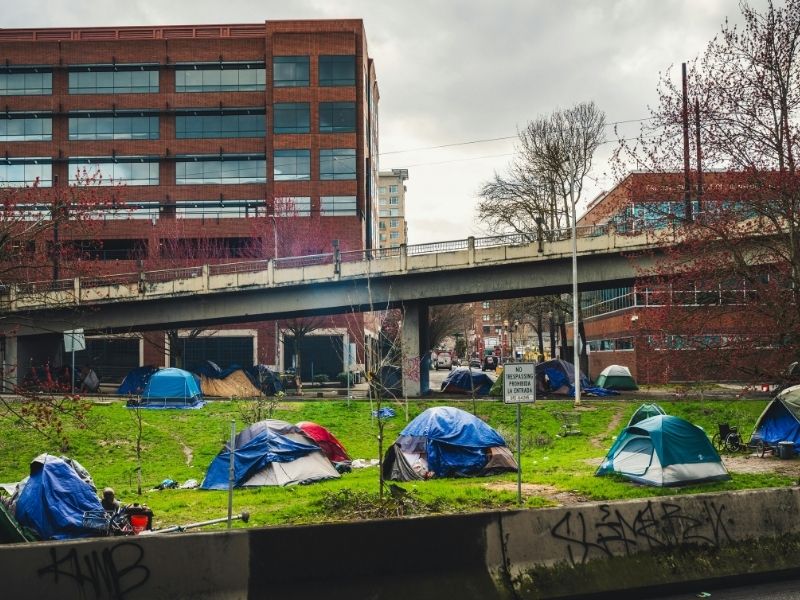
Want to know how to actually reduce crime? Here’s the recipe that officials refuse to follow:
- Invest in early childhood education – Kids who get quality education are less likely to end up in gangs.
- Create real job opportunities – Not minimum wage retail, but actual careers with benefits and advancement.
- Fund mental health and addiction treatment – Most violent offenders have untreated mental illness or substance abuse issues.
- Support families – Strong families produce stable kids. Broken families produce at-risk youth.
- Maintain consistent, fair policing – Communities need both safety AND trust in law enforcement.
- Hold violent offenders accountable – Catch-and-release doesn’t work for repeat violent criminals.
- Actually follow through – Fund these programs properly for 20 years, not just until the next election.
The problem?
This requires political courage, financial commitment, and a willingness to admit that quick fixes don’t work. Most officials have none of those things.
The Bottom Line on the Most Dangerous City in Every US State
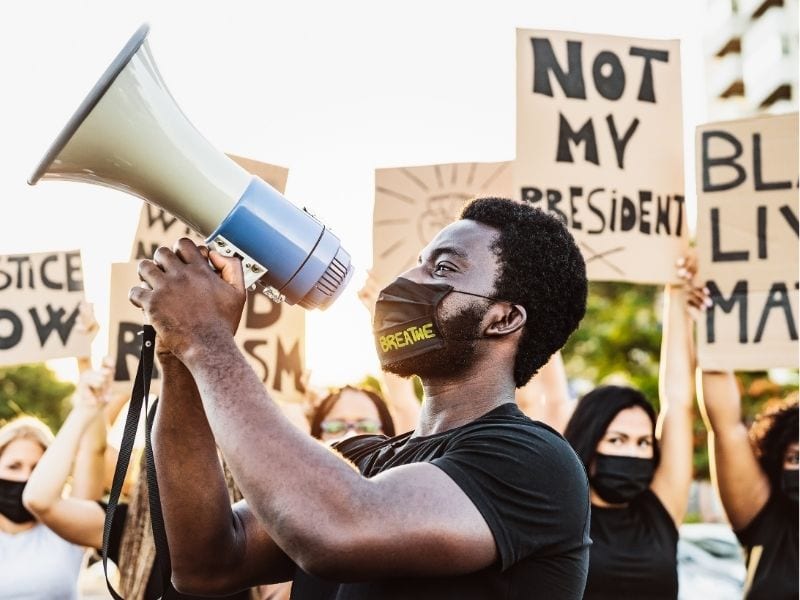
America’s most dangerous cities aren’t dangerous by accident.
They’re dangerous because of decades of failed policies, political cowardice, economic collapse, and systematic neglect.
Officials know this. They just don’t want to do anything about it because the real solutions are expensive, slow, and politically risky.
So instead, they hold press conferences, announce new initiatives, shuffle police resources around, and hope you forget about it by the next election.
Meanwhile, real people in real communities continue to live in fear, watch their neighborhoods decline, and wonder why nobody with the power to help actually seems to care.
The most dangerous cities in America will stay dangerous until officials decide that actually solving the problem is more important than looking like they’re solving the problem.
Don’t hold your breath waiting for that to happen.